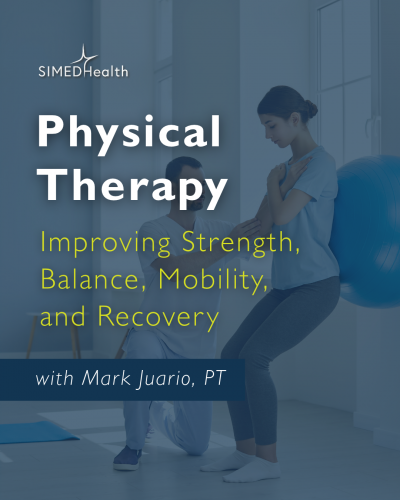
Physical Therapy: Benefits, Recovery, Mobility
Physical therapy is an integral part of the healthcare industry. From its humble beginnings, the basic idea of using movement, exercise, massage, and physical agents to improve health dates back thousands of years. By the early to mid-20th century, there was increasing demand for physical therapy following World War I and II, as well as the polio epidemic. Currently, the physical therapy profession has become more specialized, growing in areas such as orthopedic, neurological, pediatric, geriatric, pelvic floor, and cardiopulmonary physical therapy.
- Common reasons someone might consider physical therapy (PT) include:
- Pain relief. Back, neck, shoulder, knee, hip are common reasons, but other muscle and joint pains can also receive benefit.
- Recovery from injuries such as sprains, strains, fractures, or sports injuries.
- After surgery to restore strength, mobility, and function following procedures such as joint replacement or ligament repair.
- Improving mobility and flexibility especially when stiffness or limited range of motion makes daily activities difficult.
- Building strength and endurance when weakness affects work, exercise, walking, or other activities.
- Balance and fall prevention particularly for people with balance problems or difficulty walking.
- Assist in the managing of chronic conditions such as arthritis, neurological disorders, or persistent pain.
- Returning to sports or activities to safely regain movement and performance after an injury.
- Preventing future injuries by identifying movement problems and teaching exercises, body mechanics, and proper techniques.
- Improving everyday function such as getting up from a chair, climbing stairs, reaching, lifting, or walking comfortably.
A physical therapist can evaluate movement, strength, flexibility, balance, and functional limitations and then develop an individualized treatment and exercise plan.
- What can one expect at their physical therapy appointment?
Generally, you can expect:
- Initial evaluation: the physical therapist will ask about your symptoms, medical history, activity level, and goals.
- Physical assessment: checking your range of motion, strength, balance, posture, flexibility, and movement patterns.
- Treatment: depending on your condition, may include therapeutic exercises, stretching, manual therapy, balance and/or mobility training, and sometimes heat, ice, or other modalities.
- Home exercises: stretches, exercises and/or activities to do between PT appointments.
- Progress tracking: assessing progress and adjusting the treatment plan as needed.
Wear comfortable clothing that allows the therapist to access the area being treated, for you to freely move with the stretches and exercises; and be prepared to describe what movements or activities make your symptoms better or worse.
- How does PT help manage pain?
Physical therapy (PT) addresses why movement hurts and how your nervous system responds to pain, rather than simply masking the symptoms.
PT helps by:
- Strengthening weak muscles: stronger muscles can take stress off painful joints, tendons, and the spine.
- Improving flexibility and mobility: stretching and mobility exercises can restore movement that has become restricted.
- Gradually retraining the nervous system: chronic pain can cause the nervous system to become more sensitive. Carefully progressed activity can help the body tolerate movement without triggering as much pain, and then gradually building to higher levels of activity.
- Using hands-on treatment: joint mobilization, soft-tissue techniques, and other manual therapies can temporarily reduce pain and improve movement, often alongside exercise.
- Changing painful movement patterns: learn ways to move, lift, walk and perform daily activities that places less unnecessary stress on painful areas.
- Building confidence with movement: avoiding activity because of fear of pain can lead to weakness and reduced function. PT can use gradual exposure to help you safely return to activities.
- Educating about pain: understanding pain doesn't always equal ongoing tissue damage reduces fear and helps you become more active.
In simpler terms, PT aims to make your body stronger, more mobile, and more tolerant of activity, while helping calm an overprotective pain system.
- How does PT help patients recover from an injury or surgery?
By restoring movement, strength, function, and confidence while protecting healing tissues.
PT helps by:
- Controlling pain and swelling: therapists may use positioning, gentle movement, manual techniques, and other treatments to make activity more comfortable.
- Restoring range of motion: after surgery or an injury, joints and muscles can become stiff. PT uses progressively challenging exercises to regain mobility.
- Rebuilding strength: immobilization and reduced activity can cause significant muscle weakness. Targeted strengthening helps restore the muscles needed for normal movement.
- Improving balance and coordination: particularly important after lower-extremity injuries, neurological injuries, or periods of limited mobility.
- Retraining movement: relearn proper walking, lifting, reaching, or other movements so they can return to everyday activities safely.
- Progressing activity gradually: structured progression from simple movements to more demanding activities, while accounting for the stage of tissue healing and surgical precautions.
- Preventing or reducing complications: appropriate movement can help reduce stiffness, weakness, loss of function, and other problems associated with prolonged inactivity.
- Preparing return to normal activities: rehabilitation can be tailored toward work, hobbies, sports, or independent daily living.
The take away is, PT doesn't just treat the injured body part—it helps the whole person gradually return to the activities they need and want to do.
- What role does PT serve to improve balance, strength, and mobility?
Physical therapy plays an important role in improving balance, strength, and mobility by using targeted exercises and functional activities.
- Balance: assess balance problems and use exercises such as weight shifting, standing activities, and gait training to improve stability and reduce fall risk.
- Strength: progressive resistance exercises help rebuild weak muscles, improve endurance, and make everyday activities—such as standing, climbing stairs, or lifting—easier.
- Mobility: stretching, joint-mobility exercises, and movement training help restore range of motion and make walking and other movements more efficient.
- Coordination: improve how the muscles and nervous system work together, helping patients move more safely and confidently.
- Functional independence: therapists combine these skills into activities that resemble a patient's daily routines, helping them return to work, hobbies, and normal activities.
Overall, PT helps the body move more safely and efficiently while building the strength and confidence needed for greater independence.
- Does one have to wait until they’re injured or in pain to benefit from PT?
No. PT can be preventive and performance-focused.
A physical therapist can help:
- Prevent injuries by identifying weakness, stiffness, balance issues, or movement patterns that may increase injury risk.
- Improve strength and mobility before problems develop.
- Improve balance and coordination, particularly as people age.
- Maintain independence and make everyday activities easier.
- Prepare for demanding activities, such as sports, physically demanding jobs, or a new exercise program.
- Recover safely after periods of inactivity, even when there isn't a specific injury.
For example, someone who has no pain but notices they are becoming less flexible, weaker, or less steady on their feet could work with a PT to address those changes before they become a bigger limitation.
In that sense, PT isn't only about treating problems—it can also be about maintaining and optimizing how your body moves.
In closing, physical therapy plays an important role in helping people move better, manage pain, recover from injuries, and maintain their independence. Whether someone is recovering from surgery, dealing with an injury, or simply looking to improve strength, balance, and mobility, PT provides personalized care to support a healthier and more active life. Ultimately, physical therapy is not just about recovery—it is about helping people stay strong, functional, and confident in their ability to move.